

Luxury fashion, at its core, refers to high-end apparel, accessories, and footwear crafted from premium materials, often by skilled artisans, and sold at a significant price point. It’s more than just expensive clothing; it embodies a unique blend of heritage, craftsmanship, and a certain exclusivity that sets it apart from mass-produced garments. Think of it as investing in quality, design, and often, a piece of art that you can wear.
Understanding what makes something “luxury” in the fashion world goes beyond just a hefty price tag. Several key elements converge to create this distinct category.
Craftsmanship and Quality Materials
One of the cornerstones of luxury fashion is the meticulous attention to detail and the superior quality of materials used. Forget cheap synthetics and flimsy construction.
The Art of Handcraftsmanship
Many luxury pieces involve a significant amount of handcraftsmanship. This could range from hand-stitching on a leather bag to intricate embroidery on a couture gown. Artisans, often with years of training, dedicate countless hours to perfecting each stitch, fold, and embellishment. This isn’t about speed or mass production; it’s about precision and artistry. For example, a Birkin bag from Hermès is famously hand-stitched by a single artisan, a process that can take days. This human touch imbues each item with a unique character and soul that can’t be replicated by machines.
Superior Raw Materials
Luxury brands source the finest raw materials available. This includes ethically sourced, high-grade leathers like full-grain calfskin or exotic leathers such as crocodile or python. Cashmere might be ultra-soft Mongolian varieties, silk might be from specific regions known for its luster, and wool could be merino or alpaca. These materials not only feel incredible but also tend to be more durable and age gracefully, developing a patina rather than wearing out quickly. The origin and treatment of these materials are often carefully controlled, ensuring both quality and, increasingly, ethical sourcing.
Exclusivity and Scarcity
Luxury often thrives on the notion of being unattainable or difficult to acquire, which fuels desire and maintains its elevated status. This isn’t just about price; it’s about limited supply and controlled distribution.
Limited Production Runs
Many luxury brands purposefully produce limited quantities of certain items. This isn’t always about being unable to produce more; it’s a strategic move to create desirability. When an item is scarce, it becomes more covetable. This can lead to waiting lists, highly anticipated drops, and a sense of urgency for consumers to acquire sought-after pieces. Think of limited-edition collaborations or specific runway looks that are only produced in a handful of units worldwide.
Controlled Distribution Channels
You won’t find genuine luxury items in every department store or online retailer. Brands carefully select their points of sale, often operating their own standalone boutiques in prime locations. This allows them to control the brand experience, from the store’s ambiance to the level of customer service. It also helps in combating counterfeit goods and maintaining brand integrity. High-end e-commerce platforms specializing in luxury are also carefully chosen partners, ensuring the digital experience aligns with the brand’s image.
Heritage and Brand Story
Many luxury brands have a rich history that contributes significantly to their allure. This historical narrative isn’t just marketing fluff; it’s deeply ingrained in the brand’s identity and designs.
A Legacy of Innovation and Style
Brands like Chanel, Louis Vuitton, and Gucci weren’t just born yesterday. They have decades, sometimes over a century, of history, driven by visionary founders and creative directors. This history often includes revolutionary designs, innovations in materials or construction, and a consistent aesthetic that has shaped fashion trends over time. Understanding the genesis of a brand, its iconic pieces, and the individuals who shaped it adds a layer of appreciation that goes beyond current collections. For instance, Chanel’s tweed jacket and little black dress are not just garments; they are symbols of liberation and timeless elegance, rooted in Coco Chanel’s revolutionary vision.
The Power of a Narrative
A strong brand story creates an emotional connection with consumers. It’s not just about buying a product; it’s about buying into a dream, a lifestyle, or a set of values. Whether it’s the meticulous travel goods of Louis Vuitton, born from practical needs for intrepid explorers, or the rebellious spirit of Vivienne Westwood, deeply tied to punk culture, these narratives give depth and meaning to the luxury items themselves. This storytelling extends to the campaigns, the runway shows, and the brand’s overall communication, weaving a consistent and compelling world for its clientele.
In the ever-evolving world of luxury fashion, efficiency and innovation play crucial roles in maintaining a competitive edge. For small business owners in this sector, adopting quick workflow hacks can significantly enhance productivity and streamline operations. A related article that delves into these strategies is available at Efficiency Boosters: Quick Workflow Hacks for Small Business Owners, which offers valuable insights that can be applied to luxury fashion enterprises.
The Business of Luxury Fashion
Beyond the aesthetics and heritage, luxury fashion is a powerful, multi-billion-dollar industry with its own unique economic drivers and market dynamics.
Market Trends and Consumer Behavior
The luxury market is influenced by a complex interplay of global economic conditions, technological advancements, and evolving consumer preferences.
Shifting Demographics and Values
The demographic profile of the luxury consumer is continually evolving. While established wealth remains a key segment, younger generations (Millennials and Gen Z) are increasingly influential. These consumers often prioritize sustainability, ethical production, and authenticity over overt displays of wealth. They are also more digitally native, influencing how brands engage with their audience. Brands that fail to adapt to these shifting values risk alienating a significant portion of the market. This often means transparent supply chains, sustainable material sourcing, and authentic storytelling rather than just flashy campaigns.
The Rise of Digitalization
The luxury sector was initially slow to embrace e-commerce, fearing it would dilute exclusivity. However, the pandemic accelerated its digital transformation. Online sales now constitute a significant portion of luxury revenue, with brands investing heavily in sophisticated e-commerce platforms, virtual try-ons, and personalized digital experiences. Social media, particularly platforms like Instagram and TikTok, has become crucial for brand awareness, trend-setting, and direct engagement with consumers, blurring the lines between advertising and content creation.
In the ever-evolving world of luxury fashion, understanding the intricacies of entrepreneurial excellence is crucial for success. A recent article discusses key strategies that can elevate your business in this competitive industry. By exploring the principles outlined in this insightful piece, you can gain valuable insights into mastering your craft and navigating the challenges of the luxury market. For more information, you can read the article on entrepreneurial excellence.
Sustainability and Ethics in Luxury
Once an afterthought, sustainability and ethical practices are becoming non-negotiable for luxury brands, driven by both consumer demand and legislative pressures.
Environmental Impact
The fashion industry as a whole has a significant environmental footprint. Luxury brands, with their emphasis on quality and longevity, are uniquely positioned to lead in sustainable practices. This includes sourcing organic or recycled materials, minimizing waste in production, reducing water and energy consumption, and exploring circular economy models where products are designed for durability, repair, and eventual recycling. Brands are increasingly transparent about their supply chains and their efforts to reduce their environmental impact.
Ethical Sourcing and Labor Practices
The ‘made in Italy’ or ‘made in France’ label often signifies not just quality but also adherence to strict labor laws and fair wages. However, luxury supply chains can be complex, and scrutiny extends to every stage, from material harvesting to final assembly. Brands are under pressure to ensure fair working conditions, living wages, and the absence of exploitation throughout their entire value chain. This includes addressing issues such as animal welfare in the sourcing of leathers and furs, and ensuring that indigenous communities involved in crafting specialty materials are fairly compensated.
Navigating the Luxury Landscape as a Consumer
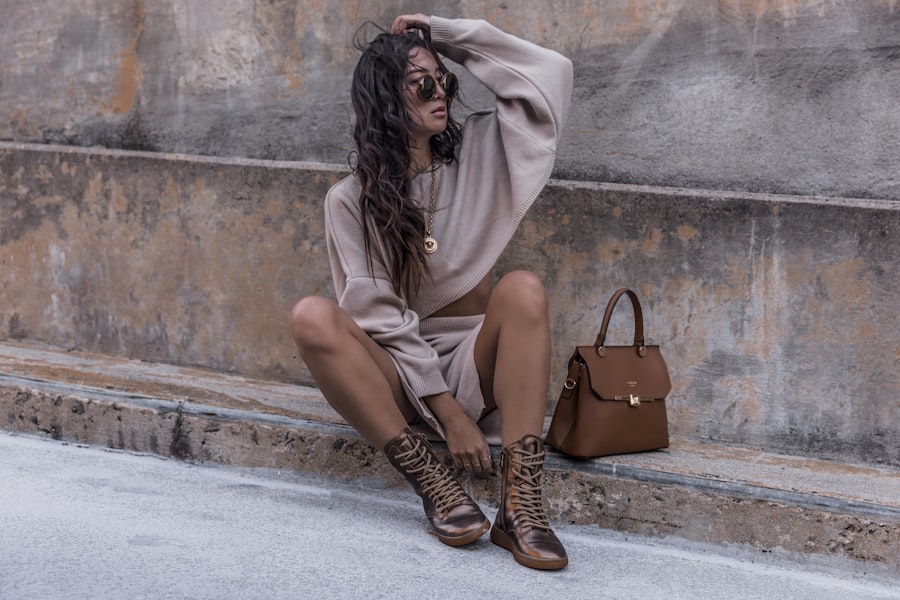
For those interested in exploring luxury fashion, it’s helpful to approach it with a clear understanding of what you’re looking for and how to make informed decisions.
Making an Informed Purchase
A luxury purchase is often a significant investment. Taking the time to research and understand what you’re buying can enhance your satisfaction and ensure you’re getting value.
Researching Brands and Products
Before committing, delve into the brand’s history, its signature styles, and reviews of specific products. Understand the materials used, the construction methods, and the reputation for durability. Websites like PurseForum can offer real-world insights from owners of luxury goods, highlighting pros, cons, and longevity. Learning about the different types of leather, for instance, and how they wear over time, can prevent disappointment.
Understanding Value Beyond Price
While expensive, luxury items often hold their value better than fast fashion. Some even appreciate over time, becoming collectible. Consider the cost-per-wear over the long term. A high-quality coat that lasts for decades, or a classic handbag that remains stylish for years, can be a more economical choice than repeatedly buying cheaper, less durable alternatives. The emotional value, the joy and confidence a well-made item can impart, is also a significant aspect of its worth.
Authentication and Avoiding Fakes
The luxury market is unfortunately riddled with counterfeit goods. Knowing how to authenticate items is crucial to protect your investment.
Dealers and Resellers
When buying pre-owned luxury items, it’s paramount to purchase from reputable consignment stores, authenticated online platforms (like The RealReal or Vestiaire Collective), or well-established vintage dealers. These entities typically employ expert authenticators who can verify the legitimacy of items. Their reputation depends on the authenticity of their inventory. Buying directly from the brand boutique or authorized retailers is always the safest option for new items.
Red Flags and Verification Techniques
Educate yourself on common indicators of authenticity for specific brands. This includes examining stitching quality (often perfectly straight and even on genuine items), hardware (weight, markings, quality of plating), serial numbers, date codes, and the overall feel and scent of the materials. Packaging, dust bags, and authenticity cards should also be scrutinized, as fakes often fall short in these details. If a deal seems too good to be true, it almost certainly is.
The Future Trajectory of Luxury Fashion
The luxury sector is not static; it’s constantly evolving, responding to global changes and consumer demands.
Innovation and Technology
Technology will continue to reshape how luxury goods are designed, produced, and consumed. This isn’t just about e-commerce; it’s about deeper integration.
Digital Design and Production
From 3D printing components to advanced CAD software, technology aids in precision design and prototyping, allowing for more complex and intricate creations. AI and data analytics can also inform design decisions, predicting trends and optimizing material usage, potentially reducing waste. Augmented reality (AR) and virtual reality (VR) are already being used for immersive shopping experiences, virtual fashion shows, and even digital clothing that only exists in the metaverse.
Traceability and Transparency
Blockchain technology is poised to play a significant role in enhancing transparency within the luxury supply chain. It can provide an immutable record of a product’s journey from raw material to finished good, verifying ethical sourcing, authenticity, and potentially even ownership history for resale. This can build trust with consumers who demand proof of sustainability and authenticity.
Redefining Exclusivity
As the market expands and new generations enter the luxury space, the definition of exclusivity is shifting.
Experiences Over Products
Beyond just owning a luxury item, consumers are increasingly seeking unique, personalized experiences. This could be exclusive access to brand events, bespoke tailoring services, personalized styling sessions, or even immersive brand activations that offer more than just a retail transaction. The memory and the feeling associated with a brand become as valuable as the product itself.
The Role of Community
Luxury is also becoming about belonging to a community. Brands foster this through loyalty programs, private online groups, and exclusive events. This sense of shared identity and belonging, often facilitated through digital platforms, adds another layer of value beyond the tangible product. It transforms consumption from a solitary act to a shared experience, further cementing brand loyalty.