

For designers working in luxury fashion, it’s about blending artistry with top-tier materials and meticulous craftsmanship. These aren’t just clothes; they’re wearable statements, often with a story, designed to last and to be cherished. This world is less about fleeting trends and more about enduring style, innovation within established codes, and an unparalleled attention to detail that elevates garments and accessories beyond the everyday.
At the heart of luxury fashion lies an unwavering commitment to quality. This isn’t just a marketing slogan; it’s the operational standard. From the initial design sketch to the final stitch, every step is carefully considered and executed.
Beyond the Ordinary Fabric
Luxury materials go far beyond basic cotton or polyester. We’re talking ethically sourced silks, cashmere from specific regions, exceptionally fine wool, exotic leathers like alligator or ostrich, and bespoke technical fabrics developed for performance and aesthetic. The origin and treatment of these materials are often as important as the materials themselves. Think about the specific hand-feel of a certain silk twill, or the supple durability of calfskin that will age beautifully. These aren’t chosen lightly; they’re selected for their inherent qualities and how they will perform and look over time.
The Human Touch in a Machine Age
While technology plays a role, especially in fabric development and precision cutting, many luxury fashion houses still rely heavily on artisan skills. Hand-stitching, intricate embroidery, hand-beading, and precise tailoring are hallmarks. This human element ensures a level of detail and finish that machines often can’t replicate. It also contributes to the exclusivity and price point, reflecting the hours of skilled labor invested in each piece. It’s about a master tailor spending days shaping a single jacket collar, or an embroiderer meticulously applying thousands of beads.
In the ever-evolving world of luxury fashion, understanding the importance of local marketing strategies can significantly impact a designer’s brand visibility and customer engagement. For insights on how luxury fashion designers can effectively leverage local marketing to enhance their presence, you can read a related article at Zillustrious. This resource provides valuable tips and techniques that can help elevate a designer’s reach within their target markets.
Defining A Vision: Design Philosophy and Aesthetics
Each luxury designer or house cultivates a distinct aesthetic and philosophy. This isn’t just about making beautiful clothes; it’s about creating a recognizable language, a signature that transcends seasons.
The Signature Silhouette
Whether it’s Chanel’s tweed suit, Dior’s New Look, or Saint Laurent’s Le Smoking, many luxury brands are defined by a recurring silhouette or style. These aren’t static; they evolve, but their essence remains. This signature acts as a recognizable anchor for the brand, giving it a timeless quality even as contemporary influences are woven in. It’s about understanding how a particular cut or form contributes to the overall identity.
Innovation within Tradition
Luxury fashion doesn’t just rehash old ideas. Designers are constantly pushing boundaries, whether through new fabric technologies, unexpected material pairings, or avant-garde construction techniques. However, this innovation usually happens within the context of the brand’s established heritage. It’s a delicate balance: respecting the past while actively shaping the future. Think of designers experimenting with 3D printing for embellishments, or developing sustainable materials that still feel luxurious.
Storytelling Through Collections
Every collection tells a story, often drawing inspiration from art, history, travel, or personal experiences. This narrative depth adds another layer to the garments, inviting the wearer to connect with something more profound than just fabric and thread. This storytelling enriches the brand’s identity and creates a deeper emotional resonance with its clientele. It’s about a collection being more than just a seasonal offering, but a cohesive statement.
The Business of Exclusivity: Production and Distribution
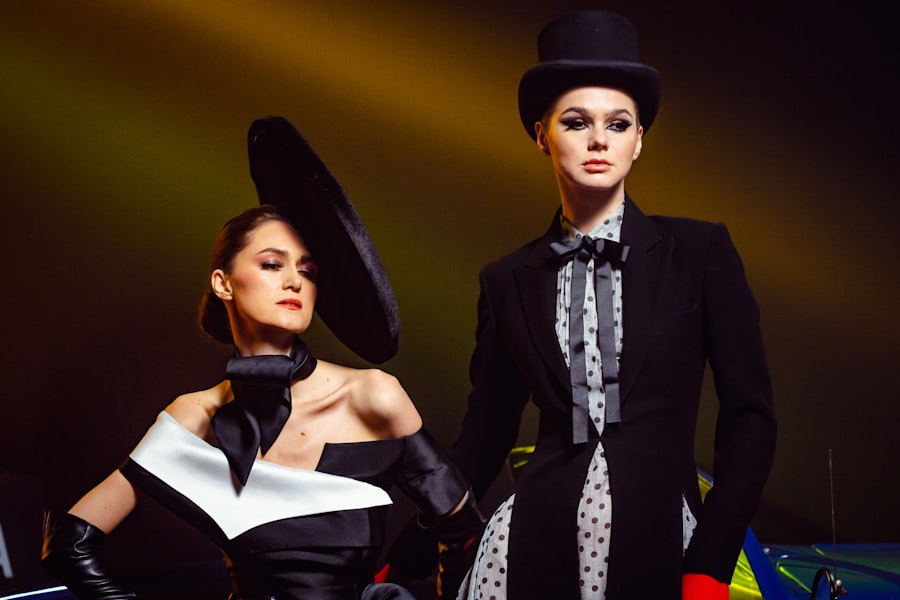
Luxury fashion operates on a carefully managed system of exclusivity and controlled distribution. This isn’t about mass production; it’s about maintaining desirability and a certain level of rarity.
Limited Editions and Bespoke Services
Many luxury items are produced in limited quantities, which contributes to their allure and value. For some, even fewer pieces are available, often termed ‘capsule collections’ or ‘limited drops.’ Furthermore, bespoke services – where garments are custom-made to a client’s specific measurements and preferences – represent the pinnacle of luxury, offering unparalleled fit and personalization. This direct interaction and tailored approach build strong client relationships.
Flagship Boutiques and Strategic Retail
Luxury brands carefully select their retail presence. Flagship stores in prime locations offer an immersive brand experience, reflecting the aesthetic and values of the house. Online sales are carefully curated to maintain the brand image and client experience, often involving personalized consultations and luxurious packaging. The goal isn’t pervasive availability, but rather strategic placement that reinforces the brand’s premium status and appeal.
Cultivating Iconic Status: Heritage and Brand Identity
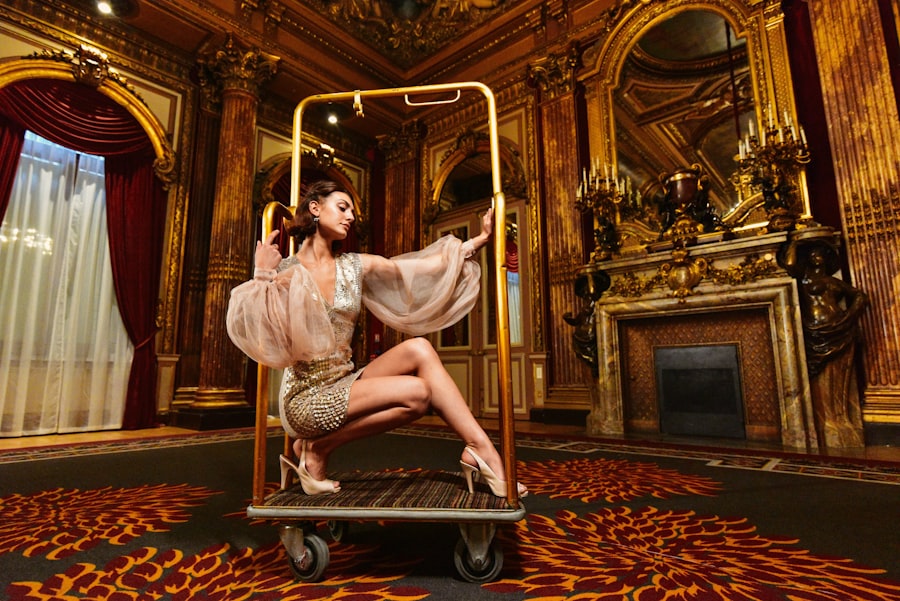
Many of the most respected luxury fashion houses boast rich histories and a deeply embedded sense of identity that transcends generations. This heritage isn’t just a marketing tool; it’s the very foundation of their enduring appeal.
Archival Inspirations
Designers often delve into the brand’s archives, reinterpreting iconic designs, motifs, and techniques for a contemporary audience. This connection to the past provides a sense of continuity and reinforces the brand’s legacy. It’s a way of proving that good design is timeless, while also giving new life to forgotten gems and celebrating the brand’s creative journey. This respectful nod to history is key to maintaining relevancy without losing identity.
The Creative Director as Visionary
The role of the creative director is central to shaping and evolving a luxury brand’s identity. These individuals – often celebrated designers themselves – are responsible for translating the brand’s heritage into modern collections, maintaining its relevance, and expanding its aesthetic boundaries. Their individual vision, while still respecting the brand’s core, significantly influences its direction and perception. The creative director is essentially the brand’s storyteller and its aesthetic guide.
Building a Community, Not Just a Customer Base
Luxury brands often foster a strong sense of community among their clientele. This isn’t just about selling products; it’s about offering an exclusive experience, inviting clients into a world of curated events, personalized services, and a shared appreciation for quality and artistry. This sense of belonging and exclusivity is a powerful draw for luxury consumers. It’s about a relationship that extends beyond the transactional.
In the ever-evolving world of luxury fashion, designers face unique challenges that require not only creativity but also astute financial acumen. A recent article discusses how startups in this industry can navigate their financial decisions effectively, providing valuable insights for emerging designers. For those interested in understanding the financial landscape of luxury fashion, this article is a must-read. You can explore it further by visiting this link.
The Future of Luxury: Sustainability and Evolving Demands
| Designer | Founded | Headquarters | Revenue |
|---|---|---|---|
| Chanel | 1909 | Paris, France | 12.3 billion |
| Louis Vuitton | 1854 | Paris, France | 15.5 billion |
| Gucci | 1921 | Florence, Italy | 10.2 billion |
| Prada | 1913 | Milan, Italy | 3.6 billion |
Even in the rarefied world of luxury, there’s increasing pressure and opportunity to adapt to broader societal shifts, particularly concerning environmental responsibility and changing consumer values.
Towards Responsible Sourcing
Sustainability is no longer a niche concern but a critical imperative. Luxury brands are increasingly scrutinizing their supply chains, seeking ethical and environmentally sound sources for materials. This includes responsible animal welfare practices for leathers and furs, using recycled or upcycled materials, and investing in sustainable cultivation of natural fibers. This proactive approach ensures the longevity of their practices and resonates with a conscientious consumer base.
Longevity as the Ultimate Green Statement
Inherently, luxury fashion often promotes longevity. High-quality construction and classic designs are made to last, counteracting the fast-fashion cycle of disposability. The move towards extending the life of garments through repair services, fostering resale markets, and encouraging heritage piece preservation aligns with sustainable practices. Buying less, but buying better, is becoming a core tenet, both for the brands and for their customers.
Adapting to a Digitally Native Audience
The luxury consumer is increasingly digitally savvy. Brands are exploring innovative ways to engage this audience, from immersive digital experiences and virtual try-ons to carefully crafted online content that conveys the richness of their brand story. The challenge is to translate the tactile, experiential nature of luxury into a compelling digital format without losing its exclusivity or allure. This means leveraging technology to enhance, rather than diminish, the luxury experience.
In essence, luxury fashion designers are navigating a complex landscape where tradition meets innovation, artistry meets commerce, and exclusivity meets evolving ethical considerations. Their role is to continually redefine what ‘exquisite creation’ truly means, ensuring that their work remains aspirational, impactful, and enduring.