

Ever wondered what makes a designer’s work truly “exquisite”? It’s more than just pretty fabrics and fancy stitches. It’s about a vision, a skill, and a story woven into every piece. We’re going to dive into what that really looks like, exploring how some of the most celebrated names in fashion create garments that stand the test of time.
At the heart of any exquisite design is a strong concept. This isn’t just a fleeting idea; it’s a well-developed narrative or theme that guides the entire creative process.
Where Do These Ideas Come From?
Renowned designers don’t pull inspiration out of thin air. Their minds are constantly collecting and processing information from the world around them.
Historical and Cultural Touchstones
Many designers find fodder in the rich tapestry of history. Think of ancient civilizations, specific eras like the Roaring Twenties, or even forgotten textile traditions. These elements are often reinterpreted, not copied, to feel fresh and relevant.
For example, a designer might look at the silhouette of a Roman toga and translate its draped elegance into a modern evening gown, using contemporary fabrics and construction techniques for a wholly new effect. The key is the thoughtful adaptation, ensuring the historical reference enhances, rather than overwhelms, the present-day design.
Nature’s Palette and Forms
The natural world offers an endless well of inspiration, from the subtle shifts in color during a sunset to the intricate patterns on a butterfly’s wing. These organic influences can manifest in the choice of colors, textures, and even the very structure of a garment.
Consider how the layered petals of a flower might inspire the ruffles on a skirt, or how the rough texture of bark could translate into a jacquard weave. The objective is to capture the essence of these natural phenomena in a way that feels sophisticated and intentional.
Art Movements and Visual Narratives
The world of art, in all its forms, frequently intersects with fashion. Whether it’s the bold strokes of abstract expressionism or the delicate lines of a minimalist painting, these visual languages can offer direct inspiration.
A designer might be drawn to the color blocking of a Piet Mondrian painting and translate that into a series of sharply defined panels in a jacket. Or, the dramatic chiaroscuro of a Caravaggio painting could inform the interplay of light and shadow in a collection’s color palette and fabric choices.
Translating Vision into Sketch
Once the initial spark of inspiration ignites, the designer’s vision needs to be translated into tangible forms. This is where the initial sketches come into play.
Rough Drafts and Refinement
The first sketches are rarely finished products. They are often quick, fluid explorations of ideas, allowing the designer to rapidly iterate and explore different silhouettes and details. This phase is about quantity and freedom of expression, pushing boundaries without immediate self-censorship. The energy and spontaneity of these early drawings can often be preserved in the final design.
Technical Drawings and Proportions
As concepts solidify, sketches become more detailed and technical. These drawings focus on proportion, construction lines, and often indicate fabric choices and potential embellishments. This stage is crucial for communicating the design intent to pattern makers and sewers. Precision here is paramount to ensuring the garment can be translated from paper to reality accurately.
For those interested in the intersection of finance and high-end fashion design, a fascinating read can be found in this article that explores innovative accounting solutions tailored for entrepreneurs in the fashion industry. By leveraging alternative accounting software, designers can streamline their financial processes, allowing them to focus more on creativity and less on bookkeeping. To learn more about these essential tools, check out the article here: Revolutionize Your Finances: Top Alternative Accounting Software for Entrepreneurs.
The Craftsmanship: Materiality and Construction
Exquisite design is deeply intertwined with the physical qualities of the materials used and the skill with which they are assembled. It’s not just about what a garment looks like, but how it feels and how it’s put together.
The Significance of Fabric Choice
The selection of fabrics is a critical decision that profoundly impacts the final look, drape, and feel of a garment. Renowned designers often seek out luxurious, innovative, or historically relevant materials.
Natural Fibers and Their Properties
Materials like silk, cashmere, merino wool, and fine cotton offer unparalleled comfort, breathability, and a luxurious feel. The way these fibers hang, react to light, and age over time contributes significantly to the perceived quality of a garment. The inherent sheen of silk for an evening gown, or the soft drape of cashmere for a refined sweater, are choices that speak volumes.
Innovative Synthetics and Blends
While sometimes unfairly maligned, modern synthetic fabrics and blends offer unique benefits. Some can provide structure, iridescence, or performance qualities that natural fibers can’t match. Designers might use technical fabrics for their water-repellency, wrinkle-resistance, or ability to hold a particular shape. Blending natural and synthetic fibers can also create desired textures or enhance durability.
Textiles with a Story
Occasionally, a designer will choose fabrics that carry an inherent narrative. This could be vintage silks re-purposed, hand-woven textiles from artisanal communities, or fabrics featuring unique embroidery or weaving techniques. These materials add a layer of authenticity and cultural richness to the design. This deliberate inclusion of heritage textiles is a nod to tradition and craftsmanship.
The Art of Construction and Finish
Beyond the fabric, the way a garment is constructed and finished is what elevates it from merely being made to being truly crafted.
Precision in Pattern Making
The foundation of any well-fitting garment lies in its pattern. Expert pattern makers translate the designer’s sketches into precise two-dimensional templates that account for the human form and the specific properties of the chosen fabric. This is a highly technical skill that requires a deep understanding of geometry and garment construction. Small adjustments at this stage can have a significant impact on the final fit and drape.
Tailoring and Silhouette Control
The art of tailoring is essential for creating garments that flatter the body and hold their intended shape. This involves meticulous cutting, sewing, and fitting processes. Techniques like boning, interlining, and careful seam manipulation are employed to achieve specific silhouettes and ensure a clean, polished finish. This is particularly evident in structured pieces like coats and tailored jackets.
Hand Finishing and Embellishment
Many exquisite designs incorporate intricate hand-finishing or embellishments. This can range from delicate hand-stitching on seams to elaborate beadwork, embroidery, or appliqué. These details often require hours of skilled labor and add a unique, artisanal touch that machine production cannot replicate. The subtle perfection of a hand-sewn hem or a precisely placed bead is often a hallmark of true luxury.
The Details: Embellishment and Accentuation
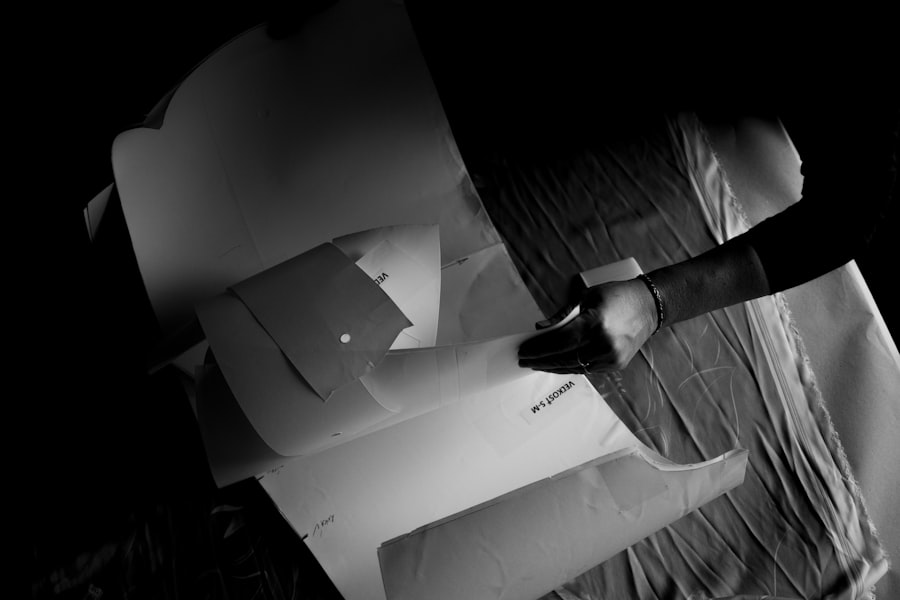
The subtle elements of a design, the embellishments and accents, can often be the deciding factor between a good garment and an exceptional one. These are the details that draw the eye and speak to the designer’s meticulous attention.
The Role of Hardware and Trims
Buttons, zippers, clasps, and edgings are not merely functional; they can be design statements in themselves.
Functional Luxury
When hardware is chosen for its aesthetic as well as its practicality, it elevates the garment. Think of custom-designed metal buttons that echo the collection’s theme, or a signature zipper pull that adds a touch of understated elegance. The material and finish of these components are carefully considered to complement the overall design.
Unexpected Material Choices
Sometimes, designers use trims in unexpected ways. A delicate lace edging might be applied to a leather jacket, or a utilitarian grosgrain ribbon might be used to create a decorative detail on a silk blouse. These juxtapositions can create visual interest and a sense of novelty.
The Impact of Intricate Embellishments
Embellishments, when thoughtfully applied, can transform a garment into a work of art.
Hand-Sewn Beading and Embroidery
The time-honored crafts of beading and embroidery, especially when executed by hand, add an unparalleled level of detail and texture. From subtle, tonal beadwork that catches the light to bold, graphic embroidery, these techniques can tell stories and create mesmerizing visual effects. The placement and density of these elements are crucial for their impact.
Appliqué and Inlay Techniques
Appliqué, where pieces of fabric are layered onto a base, and inlay, where materials are precisely cut to fit together, are sophisticated methods of adding visual and textural depth. These techniques require immense precision and can create intricate patterns and dimensional effects that are both striking and refined.
The Power of Subtle Surprises
Sometimes, the most exquisite details are the ones that are not immediately obvious.
Hidden Linings and Interior Details
A designer might choose a contrasting, vibrant silk lining for a sober wool coat, or add a small, embroidered motif to the inside of a cuff. These hidden elements offer a sense of intimate luxury for the wearer and demonstrate a holistic approach to design where no detail is overlooked.
Asymmetrical Elements and Unexpected Placements
A slight asymmetry in a hemline, a carefully placed dart that accentuates a specific curve, or a pocket flap that is slightly askew can add a dynamic and unexpected element to a design. These subtle deviations from the norm create visual intrigue and a sense of intentionality.
The Silhouette: Form and Movement
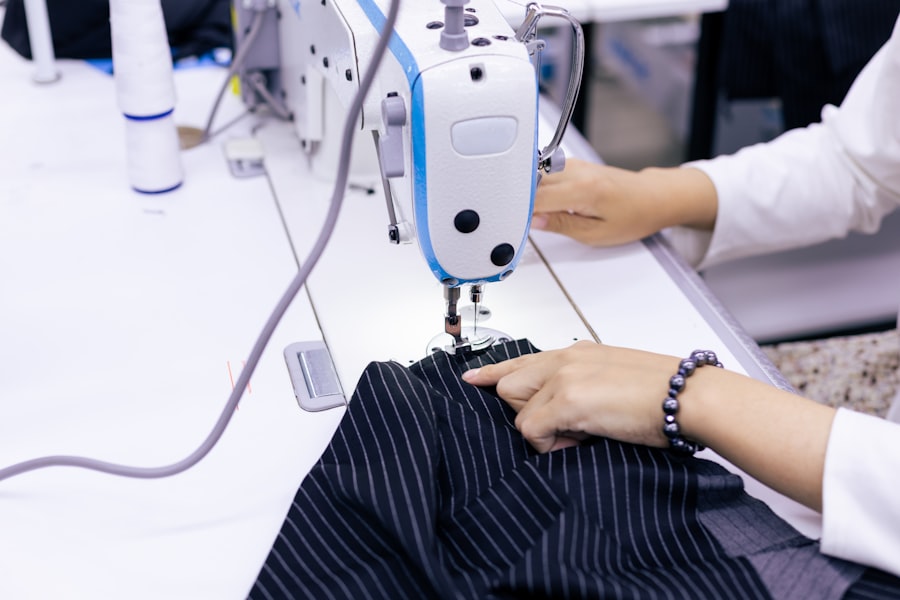
The shape a garment takes on the body, and how it moves, is fundamental to its overall impact. Exquisite designs often play with volume, proportion, and drape to create memorable and flattering forms.
Playing with Volume and Proportion
Designers skillfully manipulate volume to create dramatic or understated effects.
Exaggerated Silhouettes
Sometimes, a designer will embrace extreme volume, creating garments that are architectural and statement-making. Think of voluminous ballgowns or oversized coats. The success of these designs lies in the careful balance of proportions, ensuring they don’t overwhelm the wearer.
Sculptural Forms
The use of internal structures, stiffened fabrics, or precise darting can create sculptural silhouettes that have a strong, defined shape. These designs often resemble wearable art, with clean lines and a sense of deliberate form. The structure is an integral part of the aesthetic.
The Importance of Drape and Flow
How a fabric falls and moves is crucial for conveying a sense of elegance and fluidity.
Fluidity of Silk and Chiffon
Lightweight, flowing fabrics like silk charmeuse or chiffon lend themselves to garments that cascade and ripple with movement. The designer’s skill lies in harnessing these properties to create garments that feel ethereal and graceful. The natural sway of the fabric becomes an extension of the design itself.
Controlled Draping and Gathering
Even with heavier fabrics, designers can achieve elegant drape through careful cutting and strategic gathering. This allows the fabric to fall in soft folds, creating texture and visual interest without sacrificing structure. The way fabric falls across the shoulders or cinches at the waist can be a masterclass in controlled flow.
The Impact of Movement on Design
A garment isn’t static; its beauty is often revealed when it’s in motion.
Dynamic Lines and Angles
The way a seam line travels across a garment, or the angle of a sleeve, can create dynamic lines that shift and change as the wearer moves. These subtle movements add a kinetic quality to the design, keeping it visually engaging.
The Reveal of Unexpected Details
A slit in a skirt that reveals a flash of lining, or a cleverly placed button that opens to show a contrasting fabric, are examples of how movement can be used to reveal hidden aspects of a design, adding an element of surprise and allure.
In the world of high-end fashion, the principles of minimalist marketing can be incredibly impactful, as highlighted in a recent article on the subject. Designers often find that embracing simplicity not only enhances their brand identity but also resonates with consumers seeking elegance and sophistication. For a deeper understanding of how minimalist strategies can elevate a fashion brand, you can read more in this insightful piece on streamlining your startup success.
The Enduring Legacy: Timelessness and Innovation
| Metrics | Data |
|---|---|
| Number of Collections per Year | 2-4 |
| Average Price of a Dress | 3,000 – 10,000 |
| Number of Retail Stores | 20-50 |
| Annual Revenue | 50 million – 500 million |
What truly defines an “exquisite” design is its ability to transcend fleeting trends and maintain its relevance over time, often by skillfully balancing innovation with enduring aesthetic principles.
The Concept of Timelessness in Fashion
Timeless design isn’t about being boring; it’s about creating pieces that possess a certain innate quality that makes them feel perennially stylish.
Classic Silhouettes Reimagined
Many designers masterfully rework classic silhouettes – the A-line dress, the trench coat, the tailored suit – infusing them with modern sensibilities. This might involve updating the fabric, adjusting proportions, or adding unexpected detailing, all while retaining the original garment’s inherent charm. The result is something familiar yet refreshingly new.
Emphasis on Quality and Craftsmanship
Garments built to last, using superior materials and impeccable construction, naturally tend to endure. The focus on quality means that even as styles evolve, the inherent value and appeal of a well-made piece remain. This intrinsic durability is a key component of its lasting power.
The Balance of Innovation and Tradition
The most celebrated designers are often those who can push boundaries without alienating their audience.
Evolutionary Design vs. Revolutionary Design
Some designers opt for evolutionary change, subtly refining their signature style over collections. Others embrace more revolutionary approaches, introducing entirely new concepts or aesthetics. The true mark of an exquisite designer is the ability to execute either approach with conviction and coherence.
The Unmistakable Signature
Even across diverse collections, a renowned designer often possesses a distinct signature – a particular way of using color, a recurring silhouette, a unique approach to embellishment. This individuality is what allows their work to be recognized and appreciated for its consistent artistic vision.
Impact and Influence on the Fashion Landscape
Exquisite designs don’t exist in a vacuum; they influence what comes next.
Setting Trends and Inspiring Others
The creations of leading designers often set the tone for broader fashion trends, influencing both other designers and the market at large. Their willingness to experiment and innovate can pave the way for new directions in style.
Fashion as Art and Expression
Ultimately, exquisite designs, whether intended as haute couture or ready-to-wear, often blur the lines between fashion and art. They serve as a powerful medium for personal expression, cultural commentary, and the exploration of beauty. The pieces that resonate most deeply are those that offer something more than just clothing; they offer a perspective.