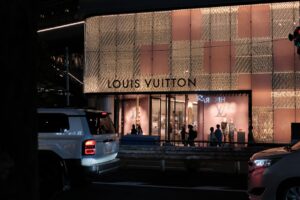

It’s an interesting question: what exactly is high fashion, beyond just being expensive clothes? In essence, it’s about garments that transcend mere utility, becoming expressions of artistic vision, craftsmanship, and often, cultural commentary. These aren’t just outfits; they’re statements, carefully conceived and meticulously executed to push boundaries, set trends, and define an aesthetic for a particular season or even a generation. It’s less about a price tag and more about a philosophy of design.
When we talk about high fashion, we’re not just discussing how a garment looks on a hanger. There’s an incredible amount of work that goes into each piece, often far more than what you’d find in even a high-end ready-to-wear item.
Materials Matter Most
The foundation of any high-fashion piece is its materials. We’re talking about fabrics that are rare, sustainably sourced, or technologically advanced. Think about silks woven in specific regions, artisanal leathers, or engineered fabrics that mimic natural fibers while offering enhanced properties. This isn’t just about softness or shine; it’s about the inherent quality and integrity of the material, how it drapes, feels, and holds its form. A designer might spend months sourcing the perfect wool or developing a unique textile print that can only be achieved through specific techniques.
Meticulous Construction
Beyond the fabric, the construction is paramount. This is where the true artistry of haute couture, for instance, truly shines. Seams are often hand-finished, patterns are cut with absolute precision, and details like embroidery or embellishments are applied by highly skilled artisans. It’s not uncommon for a single haute couture gown to involve hundreds of hours of handiwork from multiple specialists. This dedication ensures not only a flawless finish but also durability and a fit that’s almost custom-tailored, even if it’s a ready-to-wear piece from a top-tier brand.
The Human Touch: Artisanship
The human element is irreplaceable in high fashion. From the pattern makers who translate a designer’s sketch into a wearable form to the seamstresses and embellishers, each person contributes their expertise. Many of these skills are passed down through generations, often within specific families or regions known for particular techniques. This artisanal heritage is a significant part of what makes high fashion unique and, frankly, expensive. It’s an investment in skill and tradition as much as it is in the garment itself.
If you’re interested in exploring how to elevate your wardrobe without breaking the bank, you might find this article on budget-friendly project management solutions for startups particularly insightful. It highlights various alternatives that can help you manage your finances more effectively, allowing you to allocate funds towards designer clothes while still keeping your budget in check. Check it out here: Budget-Friendly Project Management Solutions for Startups.
The Runway and Beyond
The runway show is often what most people associate with high fashion, and for good reason. It’s the primary stage for designers to unveil their collections and communicate their vision.
Storytelling Through Collections
A high fashion collection isn’t just a random assortment of clothes; it’s a cohesive narrative. Each collection typically revolves around a specific theme, inspiration, or mood. This could be anything from a historical era to a philosophical concept, an architectural style, or a natural phenomenon. The designer uses the clothes, the set design, the music, and even the models’ styling to tell this story, creating an immersive experience that goes beyond simply showcasing garments.
Trends and Influence
While high fashion operates on its own elevated plane, it undeniably influences broader fashion trends. What starts on the runways of Paris or Milan often trickles down, in adapted forms, to ready-to-wear brands and even fast fashion retailers. Designers in high fashion are often visionaries, anticipating shifts in aesthetics, silhouettes, and cultural currents. They act as arbiters of taste, shaping the direction of what will be considered “fashionable” in the seasons to come.
Limited Availability and Exclusivity
Part of the allure of high fashion is its inherent exclusivity. Many pieces are produced in very limited quantities, some even tailored to individual clients. This scarcity contributes to their desirability and value. It positions these garments as objects of desire, not just for their aesthetic appeal but also for the status and unique ownership they represent. This limited availability creates a sense of occasion around procurement that is very different from mainstream shopping.
Why the High Price Tag?
The cost of high fashion is often a point of contention and curiosity. It’s not just about a brand name; there are tangible reasons for the elevated prices.
Research and Development
Behind every innovative fabric, unique cut, or revolutionary technique lies significant investment in research and development. Designers and their teams constantly experiment with new materials, construction methods, and design approaches. This can involve collaboration with textile engineers, material scientists, or even artists, pushing the boundaries of what’s possible in garment creation. This R&D is a costly, but essential, part of driving innovation.
Brand Heritage and Marketing
Established high fashion houses often boast decades, sometimes centuries, of heritage. This legacy, built on iconic designs, influential designers, and a consistent commitment to quality, is a valuable asset. Maintaining and leveraging this heritage, along with extensive marketing campaigns, contributes to operating costs. These campaigns are often elaborate, featuring top photographers, models, and locations, all designed to reinforce the brand’s image and desirability.
Artisanal Labor Costs
As touched upon earlier, the reliance on highly skilled artisans and meticulous handwork is a major factor. These individuals command higher wages due to their specialized talents and the time-intensive nature of their work. Think about hand-embroidered details taking weeks to complete, or bespoke tailoring requiring multiple fittings and adjustments. This level of personalized attention and craftsmanship is inherently expensive to produce.
High Fashion as an Investment

While it might seem counterintuitive to consider clothing an investment, for some high fashion pieces, it can be.
Resale Value and Collectibility
Certain pieces from top designers, especially those that are iconic, limited edition, or part of a particularly celebrated collection, can hold or even increase their value over time. They become collectors’ items, much like art. Vintage couture, rare designer accessories, or pieces that marked a significant moment in fashion history can fetch considerable sums in the secondary market. This isn’t true for everything, of course, but for specific, highly sought-after items, the resale market is robust.
Durability and Timelessness
High-quality construction and premium materials mean these garments are designed to last. Unlike fast fashion, which is often disposable, high fashion pieces are built for longevity. Coupled with often timeless designs that transcend fleeting trends, a well-chosen high fashion item can remain relevant and wearable for many years, reducing the need for constant wardrobe replenishment. This durability can, in a sense, be a long-term economic advantage.
Personal Expression and Identity
Beyond monetary value, there’s the investment in personal expression. For many, wearing high fashion is a powerful way to communicate their identity, values, and aesthetic sensibilities. It’s about self-expression and the confidence that comes with wearing something thoughtfully created and expertly crafted. This personal investment in identity and how one presents oneself to the world is a significant, albeit intangible, return.
If you’re interested in enhancing your fashion sense while also considering the business side of designer clothes, you might find it useful to explore how to boost your small business efficiency. This article offers valuable time-saving hacks that can help streamline your operations, allowing you to focus more on curating your collection. For more insights, check out this related article on boosting your small business efficiency.
Beyond the Clothes: The Ethical and Environmental Conversation
| Brand | Category | Price Range | Material |
|---|---|---|---|
| Gucci | Dresses | 800 – 3000 | Silk, Wool |
| Prada | Shirts | 500 – 1500 | Cotton, Polyester |
| Chanel | Pants | 1000 – 2500 | Tweed, Leather |
The discourse around high fashion increasingly includes important conversations about its impact on the world.
Sustainability Initiatives
The industry is slowly, but surely, beginning to grapple with its environmental footprint. Many high fashion brands are now implementing sustainability initiatives, from sourcing eco-friendly materials and reducing waste in production to exploring circular fashion models. This includes using recycled or upcycled fabrics, reducing water consumption, and ensuring ethical labor practices throughout their supply chains. It’s a complex challenge, but progress is being made.
Ethical Production Practices
Ensuring ethical production practices is another critical area of focus. This involves fair wages, safe working conditions, and transparency throughout the manufacturing process. While historically some aspects of the fashion industry have faced criticism for labor practices, there’s growing pressure from consumers and regulatory bodies for high fashion brands to demonstrate their commitment to ethical sourcing and manufacturing, especially when their products carry such a premium.
Longevity vs. Fast Fashion
High fashion, with its emphasis on quality, durability, and often timeless design, stands in stark contrast to the disposable nature of fast fashion. While fast fashion contributes significantly to waste and overconsumption, high fashion, by its very nature, encourages buying fewer, but better, items. This focus on longevity can be seen as an inherently more sustainable approach, even if the initial price point is higher. It promotes a mentality of investment rather than disposability.
Concluding Thoughts
High fashion is much more than just expensive clothing. It’s a complex ecosystem of artistry, craftsmanship, storytelling, and cultural influence. From the meticulous selection of materials and the skill of dedicated artisans to the narratives presented on the runway, each element contributes to its unique status. While the price tags are undoubtedly high, they reflect a depth of effort, innovation, and often, a commitment to enduring quality and design that sets these garments apart. It’s a world where clothing transcends its functional purpose to become a powerful statement, both for the creator and the wearer.