

Louis Vuitton isn’t just a fashion brand; it’s a statement of enduring style and quality. Known globally for its iconic monogram, exquisite craftsmanship, and a history steeped in luxury, LV has earned its place at the pinnacle of the fashion world.
Louis Vuitton’s journey began not with haute couture, but with a practical necessity: luggage. In 1854, Louis Vuitton, a skilled trunk-maker, opened his first workshop in Paris. The era demanded robust travel solutions, and Vuitton’s approach was revolutionary.
The Art of the Trunk
Before Vuitton, many travel trunks were rounded, making them difficult to stack. Vuitton’s innovation was the flat-topped trunk, a design that easily lent itself to being piled high on trains and ships. This seemingly simple change was a game-changer for travelers.
Material Matters: The Canvas and Beyond
The early Louis Vuitton trunks were crafted from exquisite woods and covered in beautifully treated canvas. This material was not only durable but also offered a perfect surface for decoration. The distinctive Damier canvas, a checkerboard pattern, debuted in 1888.
The Birth of the Monogram
The most recognizable Louis Vuitton icon, the LV monogram, was introduced in 1896 by Louis’s son, Georges. This was a clever move to prevent counterfeiting of the popular Damier pattern. The quatrefoil (four-leaf clover) and floral motifs, intertwined with the LV initials, quickly became synonymous with opulence and exclusivity.
Beyond Luggage: A Shift Towards Luxury Goods
While trunks remained a core product, Louis Vuitton gradually diversified its offerings. The brand understood that its discerning clientele desired more than just functional travel gear; they sought luxury in all aspects of their lives.
Handbags: A New Frontier
The brand’s entry into handbags was a natural progression. Early designs, like the Speedy and Keepall, were essentially smaller versions of their travel bags, allowing women to carry their essentials in style. These pieces laid the groundwork for LV’s future dominance in the handbag market.
Ready-to-Wear and Accessories
As fashion evolved, so did Louis Vuitton. In the latter half of the 20th century, the brand began to explore ready-to-wear clothing and a wider range of accessories, from scarves to jewelry, all bearing the unmistakable mark of quality and design.
Louis Vuitton continues to dominate the luxury fashion industry with its innovative designs and strategic marketing approaches. For those interested in understanding how successful brands like Louis Vuitton accelerate their growth, a related article can provide valuable insights. You can explore proven strategies for startup growth in this informative piece: Unlocking Success: Proven Strategies for Accelerating Startup Growth.
The Craftsmanship Edge: Detail, Durability, and Distinction
What truly elevates Louis Vuitton beyond fleeting trends is its unwavering commitment to craftsmanship. This dedication is evident in every stitch, every piece of leather, and every meticulously applied detail.
The LV Workshop Ethos
Each Louis Vuitton product is a testament to hours of skilled labor. Artisans spend years honing their craft, learning techniques passed down through generations. The brand prides itself on the ‘Made in France’ or ‘Made in Spain’ (for certain leather goods) hallmarks, signifying a commitment to traditional European manufacturing.
Hand-Stitched Perfection
Many critical components of Louis Vuitton products, especially leather goods, are still hand-stitched. This ensures superior strength and a unique finish that machine-sewing cannot replicate. The skilled hands of the artisans are as crucial to the product’s integrity as the finest materials.
The Art of Leather Working
Louis Vuitton uses a variety of high-quality leathers, each chosen for its unique properties and aesthetic appeal. From the supple Calfskin to the robust Epi leather, the brand’s leather artisans understand how to work with these materials to create objects of both beauty and longevity. Treatments and finishes are often proprietary, contributing to the distinctive look and feel of LV products.
Quality Control: A Rigorous Process
Before any Louis Vuitton item leaves a workshop, it undergoes stringent quality control. This isn’t just a cursory check; it’s a meticulous inspection to ensure that every detail meets the brand’s exacting standards. Any deviation, however minor, can lead to the item being rejected.
Material Integrity
The sourcing of raw materials is paramount. Leather hides are carefully inspected for imperfections, and textiles are checked for weave consistency and color accuracy. This obsessive attention to detail at the very beginning of the production process sets the foundation for the final product’s quality.
Durability Testing
Louis Vuitton products are not just beautiful; they’re built to last. While specific testing methods are proprietary, it’s understood that materials and construction undergo rigorous trials to ensure they can withstand the rigors of everyday use and travel, reinforcing the brand’s heritage of robust luggage.
The Power of the Monogram: Symbolism and Status
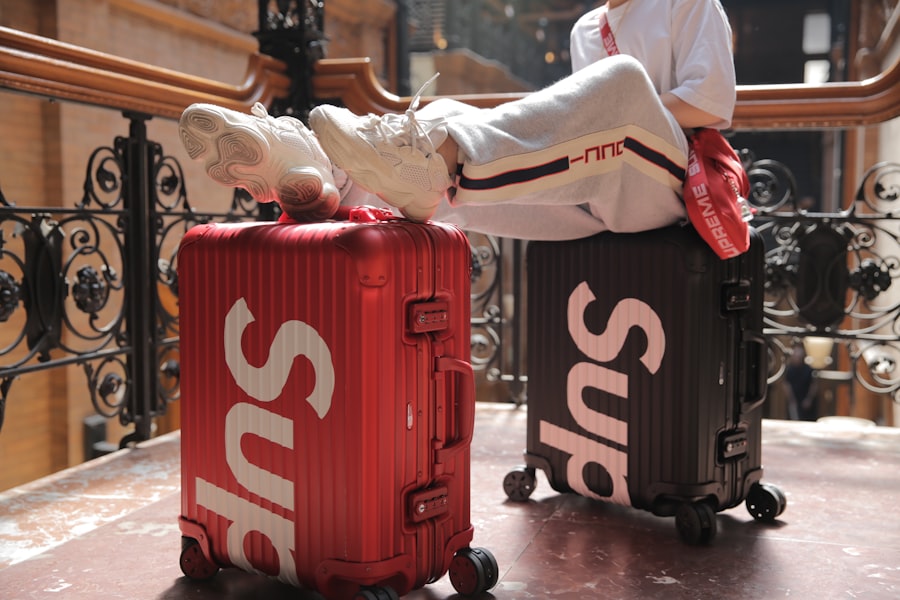
The Louis Vuitton monogram is arguably the most recognizable luxury symbol in the world. Its widespread adoption has cemented its status as more than just a logo; it’s a cultural icon.
More Than Just a Logo
The LV monogram is a shorthand for luxury, quality, and a certain aspirational lifestyle. It’s a visual cue that immediately places the wearer or owner within a specific echelon of taste and affluence.
The Psychology of Recognition
In a crowded marketplace, instantly recognizable branding is a significant advantage. The LV monogram cuts through the noise, offering immediate identification and a sense of belonging to those who appreciate the brand’s heritage.
A Mark of Heritage and Legacy
The monogram is deeply intertwined with the brand’s history. Each iteration, from the original Damier to the more contemporary interpretations, carries the weight of Louis Vuitton’s legacy. This historical depth adds a layer of gravitas to the symbol.
Collaborations and Reinvention
While the monogram is a constant, Louis Vuitton has been adept at reinventing itself, often through high-profile collaborations. These partnerships have introduced fresh perspectives and maintained the brand’s relevance with new generations.
Artistic Alliances
Collaborations with artists like Stephen Sprouse and Yayoi Kusama have resulted in iconic limited-edition collections. These projects infuse the familiar LV canvas with artistic vision, creating highly sought-after pieces that merge high fashion with contemporary art.
Pop Culture Integration
Louis Vuitton has frequently engaged with pop culture, from its presence in music videos and film to its adoption by celebrities. This strategic integration ensures the brand remains a visible and desirable entity in the broader cultural landscape.
Louis Vuitton in the Modern Fashion Landscape: Innovation and Evolution
The fashion industry is in constant flux, yet Louis Vuitton has managed to not only survive but thrive. This is due to a combination of respecting its heritage and embracing innovation under dynamic creative direction.
Navigating the Creative Helm
The appointment of creative directors at the helm of Louis Vuitton has been pivotal in shaping its modern identity. Each director brings their unique vision, pushing the brand in new directions while respecting its core values.
Marc Jacobs’ Transformative Era
Marc Jacobs’ tenure (1997-2014) is widely regarded as a period of immense transformation for Louis Vuitton. He successfully transitioned the brand from primarily a luggage maker to a formidable force in ready-to-wear and contemporary fashion. His ability to blend streetwear influences with high luxury redefined what LV could be.
Nicolas Ghesquière’s Vision
Nicolas Ghesquière, who took over womenswear in 2013, has continued this evolution. His designs are often intellectual, architectural, and forward-thinking, offering a sophisticated take on modern femininity. He has a knack for creating pieces that feel both of the moment and timeless.
Virgil Abloh’s Impact
The appointment of Virgil Abloh as Men’s Artistic Director in 2018 was groundbreaking. His vision brought a fresh wave of streetwear influence, youth culture, and a strong sense of inclusivity to the brand. Abloh’s collaborations and designs resonated deeply, significantly broadening LV’s appeal.
The Digital Frontier
Louis Vuitton has also embraced the digital age. This includes a strong online presence, engaging social media strategies, and embracing e-commerce.
E-commerce Excellence
The brand’s online store is a testament to its luxury positioning, offering a seamless shopping experience. High-quality product imagery, detailed descriptions, and secure checkout processes are standard.
Social Media Engagement
Louis Vuitton actively uses social media platforms to connect with its audience. This includes curated content, behind-the-scenes glimpses, and interactive campaigns that foster a sense of community and brand loyalty.
Louis Vuitton continues to set trends in the fashion industry, blending luxury with innovative designs that captivate audiences worldwide. For those interested in enhancing their brand collaborations on a budget, a recent article discusses various inexpensive project collaboration tools that can help startups thrive in competitive markets. You can read more about these tools and their benefits in the article linked here: inexpensive project collaboration tools. This resource could be invaluable for emerging brands looking to make a mark while navigating the complexities of the fashion landscape.
The Enduring Appeal: Why Louis Vuitton Remains at the Top
| Year | Revenue (in million USD) | Number of Stores |
|---|---|---|
| 2017 | 9,880 | 460 |
| 2018 | 10,560 | 492 |
| 2019 | 11,150 | 497 |
| 2020 | 10,600 | 491 |
Louis Vuitton’s sustained success isn’t accidental. It’s the result of a multifaceted strategy that prioritizes quality, brand equity, and a keen understanding of its clientele.
A Legacy of Trust
For over a century, Louis Vuitton has built a reputation for producing products that are not only desirable but also inherently well-made. This established trust is a significant intangible asset that older and newer customers alike rely upon.
Investment Pieces
Many Louis Vuitton items, particularly handbags and classic luggage, are considered investment pieces. Their durability, timeless design, and strong resale value contribute to this perception, distinguishing them from fast fashion items.
The “Louis Vuitton Experience”
Beyond the product itself, the brand cultivates an experience. From the opulent store interiors to the personalized service, every touchpoint is designed to reinforce the sense of luxury and exclusivity.
Adaptability and Relevance
The brand’s ability to adapt to changing cultural landscapes and consumer desires without alienating its core customer base is crucial. This involves both staying true to its heritage and being willing to innovate.
Responding to Trends, Not Following Them
Louis Vuitton doesn’t chase trends for the sake of it. Instead, it interprets them through its own distinct lens, ensuring that its offerings remain relevant without sacrificing its signature style.
Building for the Future
By consistently investing in craftsmanship, embracing new creative talent, and navigating the digital world effectively, Louis Vuitton is positioning itself for continued relevance and leadership in the luxury market for generations to come.